UIN Jakarta's Religious Studies Lecturers Encourage Environmental Awareness among SMAN 9 South Tangerang Students through Islamic Ecotheology
Jakarta, Lecturer Update — Lecturers from the Religious Studies Program (SAA), Faculty of Ushuluddin, UIN Syarif Hidayatullah Jakarta, conducted a Community Service (PkM) program and a new student admission outreach session at SMAN 9 South Tangerang City on Tuesday and Wednesday, November 17–18, 2026. Held from 9:00 a.m. to 1:00 p.m., the program focused on strengthening students' ecological awareness through the approach of Islamic ecotheology.
The program involved lecturers, administrative staff, and students from the Religious Studies Program. The team consisted of Program Head Lisfa Sentosa Aisyah, M.A.; Program Secretary Wasil, S.Th.I., M.Ag.; lecturer Muria Khusnun Nisa, M.Ag.; administrative staff Ishmatun Nisa, S.Kom.I., M.Sos. and Noorsya, S.Psi., M.M.; as well as students Zalina Aulia Nurinstifani and Fahri Hidayat. The participants were Grade 12 students of SMAN 9 South Tangerang City.
Strengthening Ecological Awareness through Islamic Ecotheology
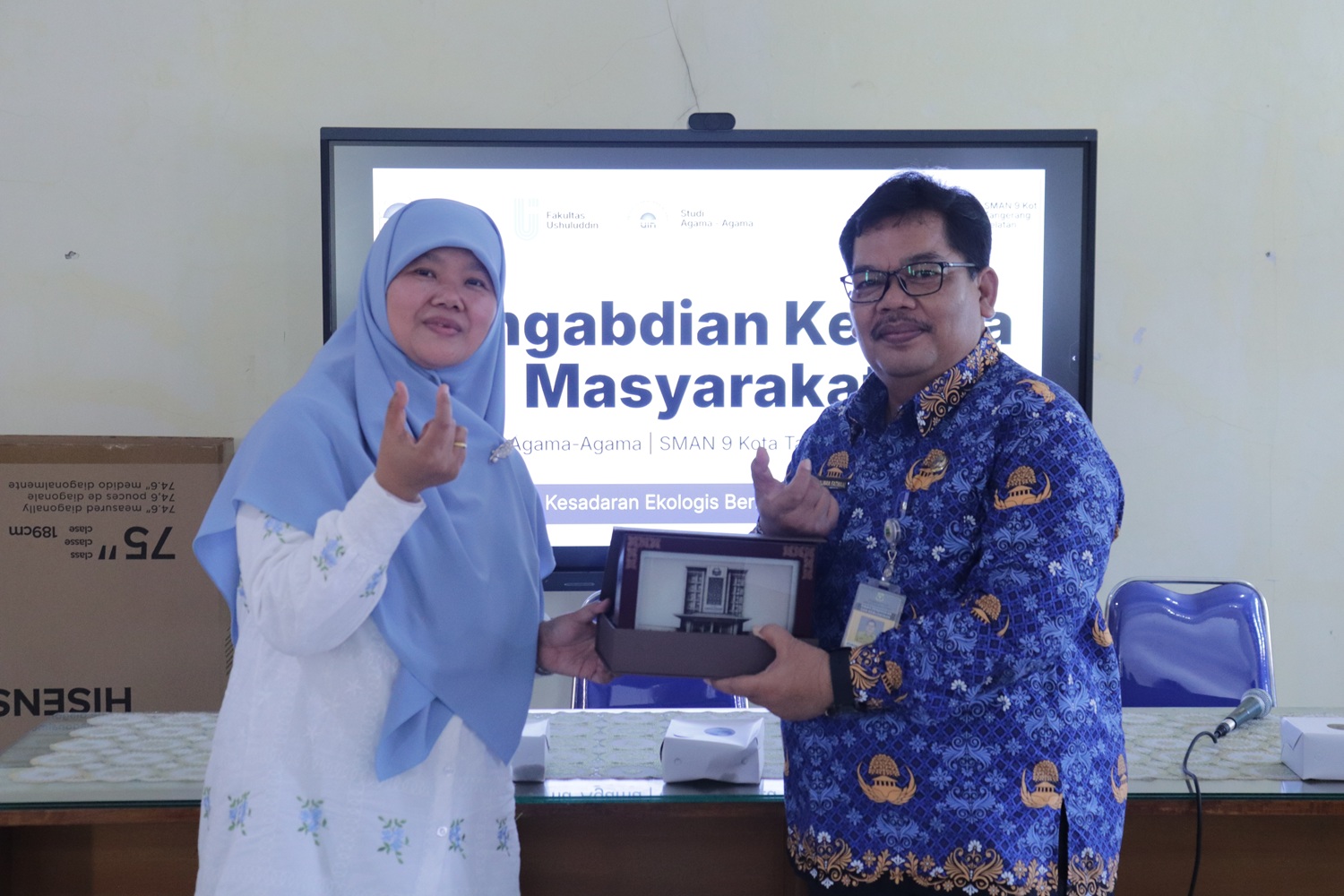
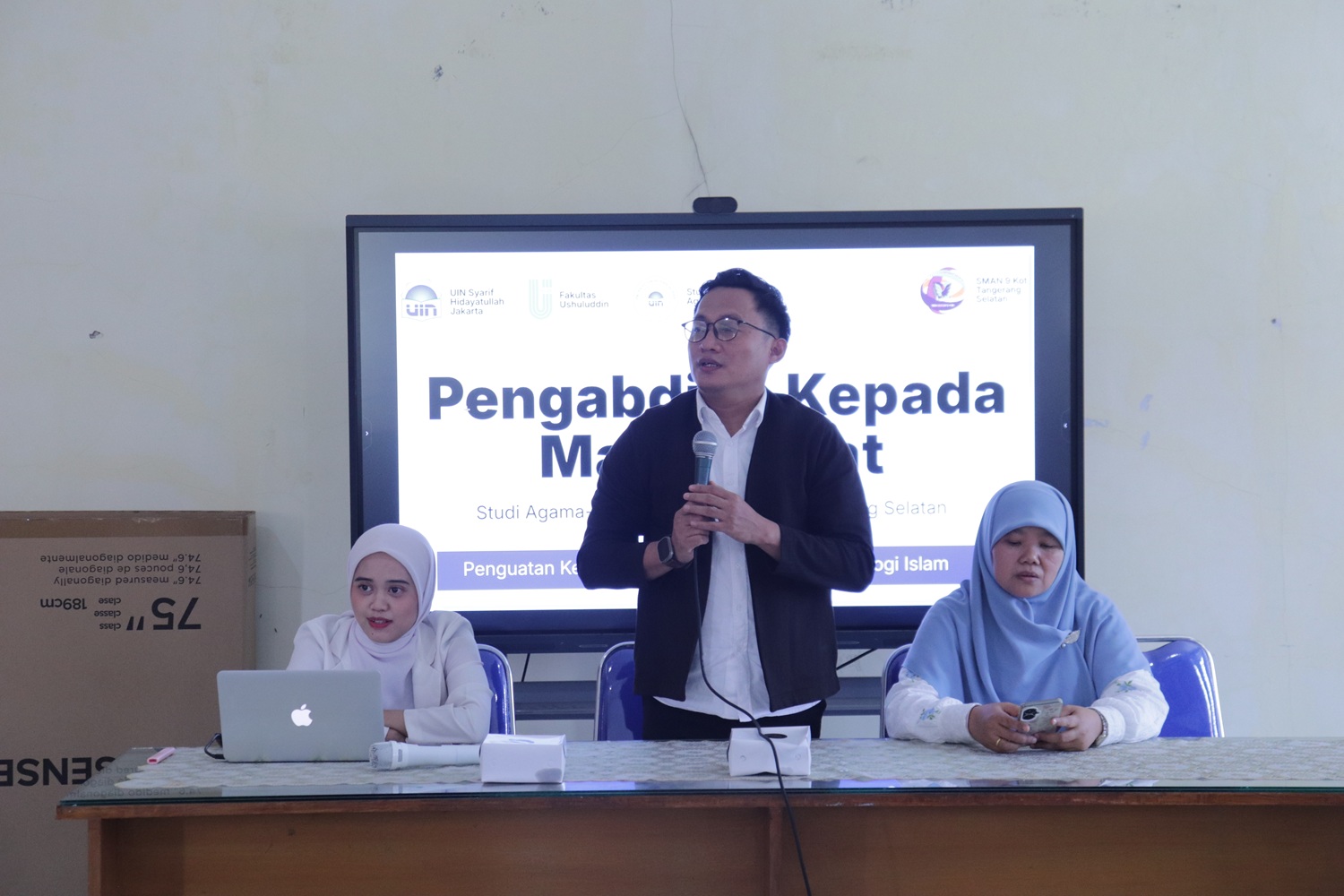
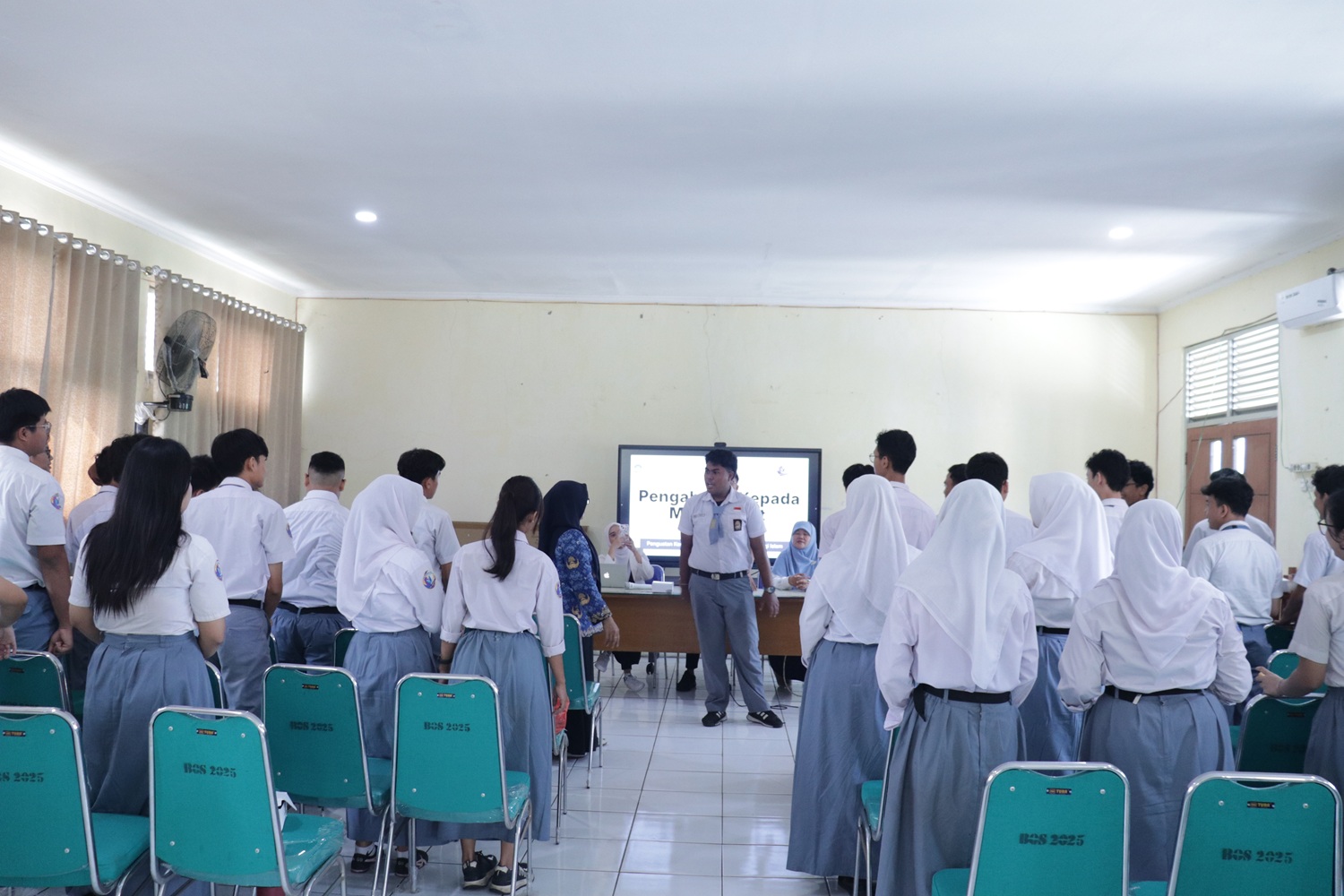
On the first day, Tuesday (November 17), the community service team began by meeting and introducing themselves to the Principal of SMAN 9 South Tangerang City, Achmad Alwan Fatwani, S.Pd., M.Pd., and the school's staff. The program then proceeded to the school auditorium with an opening session, an introduction to the event agenda, and a collective prayer.
In his remarks, Achmad Alwan Fatwani expressed his appreciation and gratitude for the community service program held at the school. He noted that strengthening ecological awareness through an ecotheological approach was both relevant and important for students, particularly amid increasingly concerning environmental conditions.
The Head of the Religious Studies Program, Lisfa Sentosa Aisyah, M.A., also expressed her appreciation for the warm welcome from the school. She emphasized that the program was part of the implementation of the Three Pillars of Higher Education (Tri Dharma Perguruan Tinggi), particularly community service. She also highlighted the importance of religious teachings and religious communities in responding to environmental challenges.
Introducing Islamic Ecotheology as a Foundation for Environmental Stewardship
The first session was delivered by the Program Secretary, Wasil, S.Th.I., M.Ag., who encouraged students to develop ecological awareness through critical thinking, empathy, and concrete actions. He emphasized that environmental care does not have to begin with major initiatives, but can be practiced through simple daily habits, such as maintaining personal and environmental cleanliness, caring for their home and school surroundings, and refraining from littering.
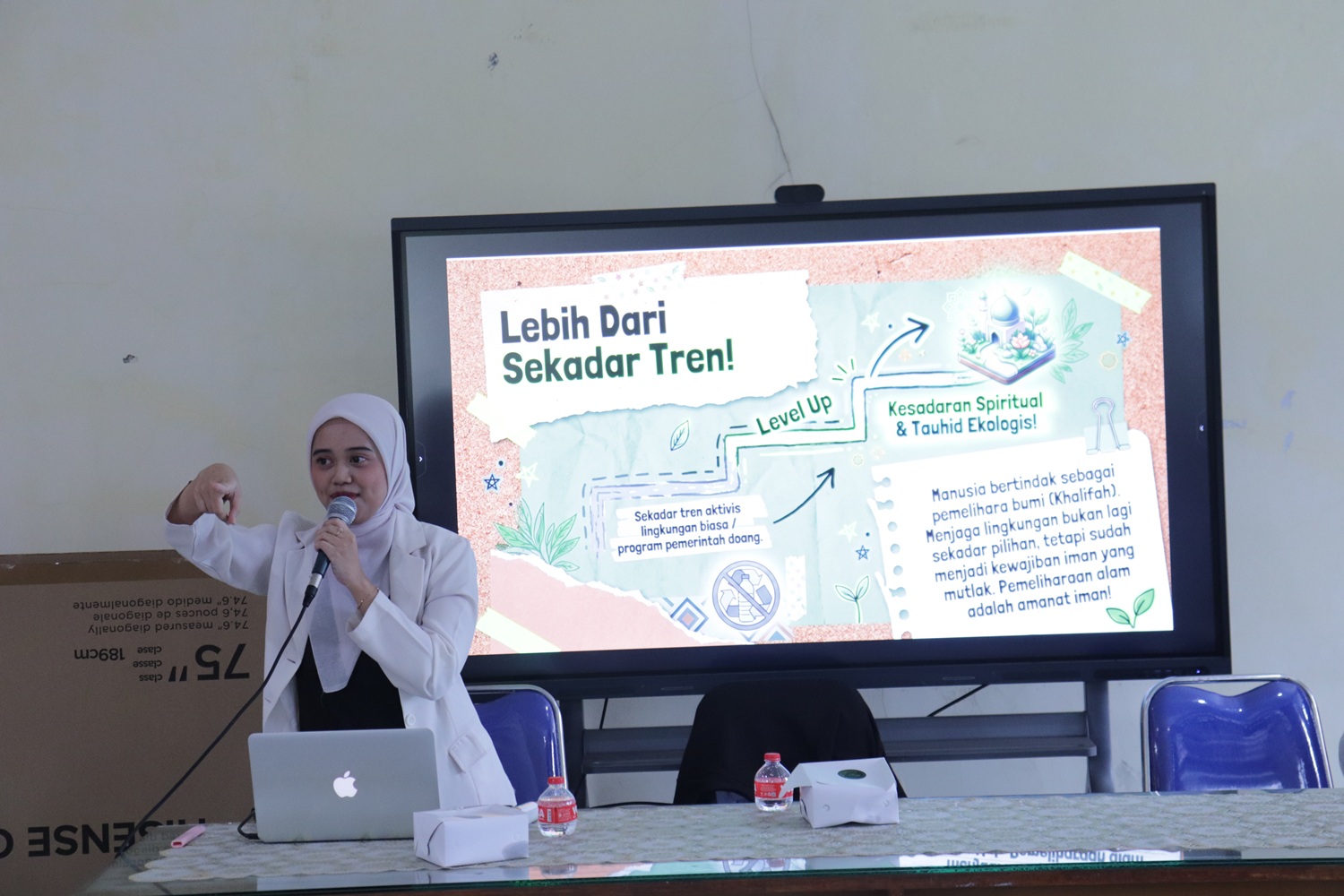
The next session was presented by lecturer Muria Khusnun Nisa, M.Ag., who introduced Islamic ecotheology as a foundation for fostering environmental awareness and responsibility. She explained that human beings, as stewards of the earth (khalifah), have a moral responsibility to protect and care for the environment. The relationship between God, humanity, and nature should be understood as interconnected and maintained in harmony.
Through the ecotheological approach, protecting the environment is not merely a social responsibility but also an integral part of religious teachings and the practice of faith. Therefore, caring for nature, reducing pollution, and avoiding excessive consumption are among the responsibilities of human beings as God's creations.
The presentation sessions continued with an interactive discussion and question-and-answer session with the students.
Encouraging Students to Take Concrete Environmental Action
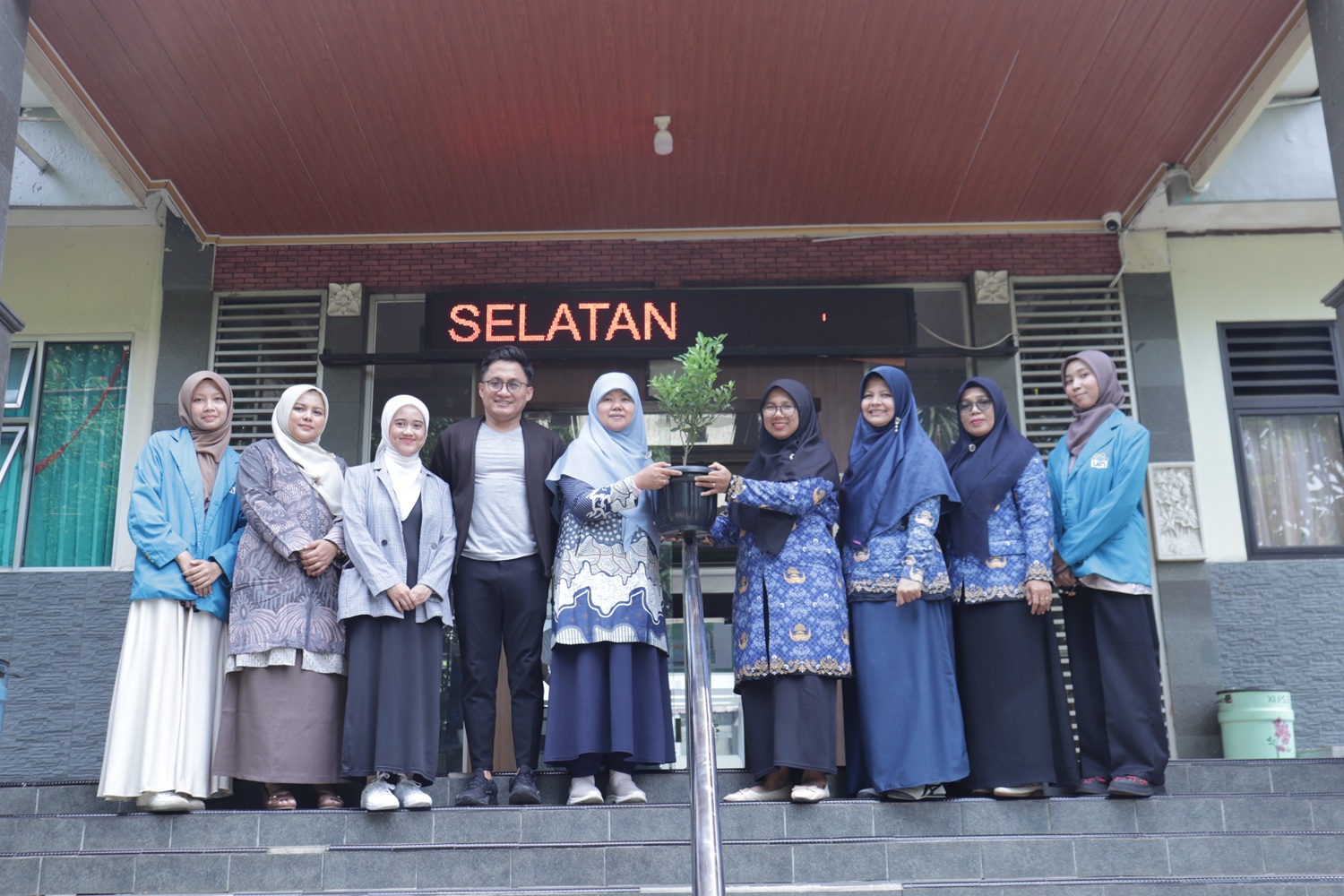
On the second day, Wednesday (November 18), the program focused on practical environmental conservation through a tree-planting initiative. The community service team handed over tree seedlings to the school for planting and independent care as a concrete contribution to environmental preservation. The planting initiative also symbolized that the earth is a shared home that must be protected, nurtured, and preserved.
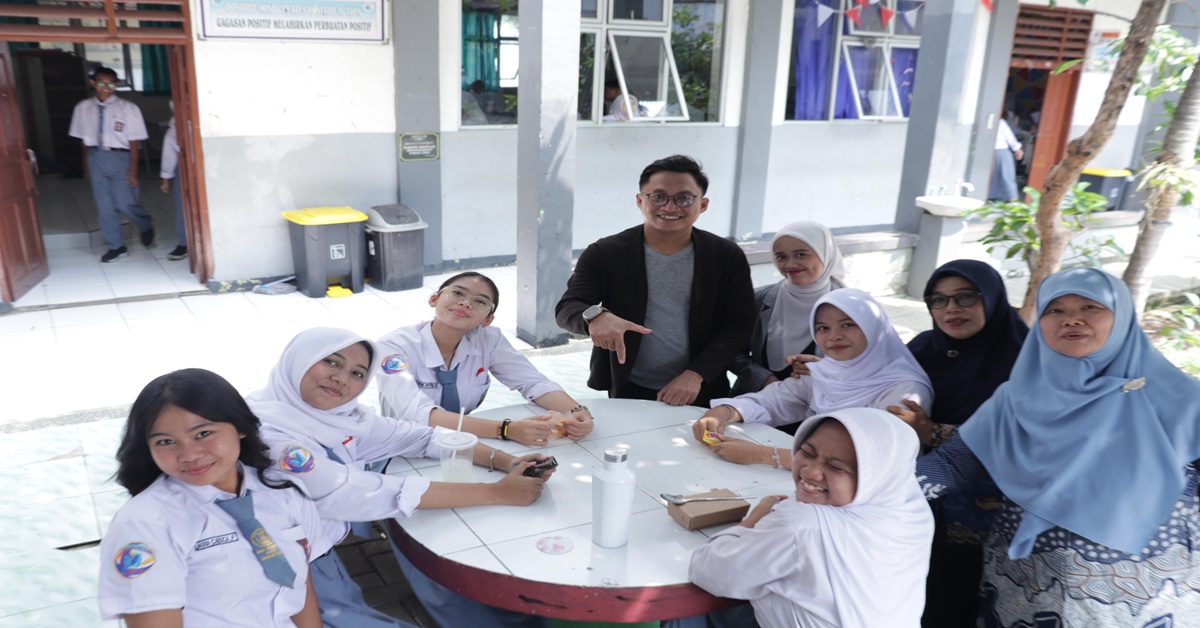
Beyond the tree-planting activity, the community service team, accompanied by teachers from SMAN 9 South Tangerang City, also conducted direct environmental education with students. Through informal and interactive engagement, the team approached students during their breaks and mealtimes to discuss plastic waste and the importance of proper waste management.
During these interactions, students were encouraged to understand the importance of waste sorting, proper disposal, and reducing plastic use in their daily activities. This approach aimed to ensure that environmental awareness was not only conveyed through classroom presentations but also translated into everyday practices.
Introducing the Religious Studies Program to Prospective Students
In addition to environmental education, the community service program also provided an opportunity for the Religious Studies Program to introduce itself to Grade 12 students as prospective university students. Through the new student admission outreach session, the team introduced the Religious Studies Program at the Faculty of Ushuluddin, UIN Jakarta, as an academic option for students interested in exploring religious studies and socio-religious issues.
Through the two-day program, the Religious Studies Program hopes that students will increasingly recognize environmental protection as a shared responsibility, including that of younger generations and religious communities. Ecological awareness needs to be developed through three interconnected steps: understanding environmental issues through knowledge, cultivating empathy for nature, and translating awareness into concrete action.
The program also served as an opportunity to introduce the Religious Studies Program at the Faculty of Ushuluddin, UIN Jakarta, to prospective students. In this way, the community service initiative not only promoted environmental education and conservation activities but also highlighted the role of higher education in nurturing a generation that is critical, caring, and responsible toward society and the environment.
(Prodi SAA/Humas FU)