
Arafah, Ma‘rifatullah, and Self-Knowledge
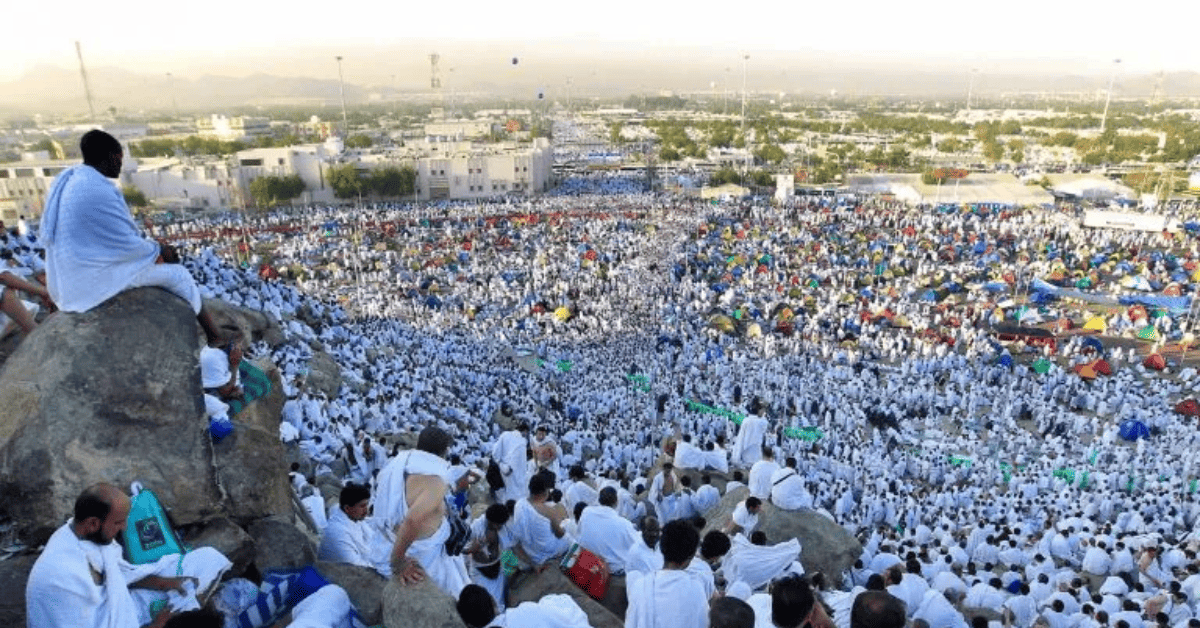
Millions of people stand beneath the scorching sun of the Plain of Arafah in Saudi Arabia. Nothing distinguishes one from another. Government officials and ordinary citizens wear the same white garments. Wealthy entrepreneurs and daily laborers stand on the same ground. All bow their heads, weep, and whisper lengthy prayers to God. Amid this vast sea of humanity, some experience something difficult to describe in words: it feels as though they have finally encountered a part of themselves that had long been lost.
For many, Arafah is understood primarily as a historical moment associated with Prophet Ibrahim (Abraham), who came to understand the truth of his dream, or as the pinnacle of the Hajj pilgrimage that every pilgrim must observe. Yet there is another dimension of Arafah that is often overlooked: it is a moment to recognize who we truly are. It is from this self-recognition that knowledge of God begins.
Arafah: A Moment of Self-Recognition
The name “Arafah” derives from the Arabic root ʿarafa, meaning “to know,” “to recognize,” or “to understand.” Historically, the Plain of Arafah is associated with several significant narratives.
First, it is believed to be the place where Adam and Eve reunited after being sent down to earth and came to recognize one another again. Second, it is where the Angel Gabriel taught the rites of pilgrimage to Prophet Ibrahim. Upon completing the instruction, Gabriel asked, “Have you understood?” and Ibrahim replied, “ʿaraftu” (“I have understood”). Third, it is regarded as the place where all human souls gathered before creation and testified to the Lordship of God, responding, “Yes, we bear witness.”
These three narratives share a common thread: recognition. It may mean recognizing another person, understanding a religious teaching, or ultimately recognizing God Himself.
The Day of Arafah is therefore a moment to recognize who we truly are: weak, dependent, and imperfect servants of God. When human beings truly know themselves, they begin to know their Lord—the Most Merciful, Most Generous, Most Forgiving, Most Self-Sufficient, and the Source of all sustenance and goodness, as reflected in the Divine Names (al-Asma’ al-Husna).
For pilgrims, Arafah is an opportunity to recognize their sins, seek forgiveness, and reflect upon their relationship with Allah.
Understanding the Human Psychological Structure
For Al-Ghazali, self-knowledge (ma‘rifat al-nafs) is the beginning of true happiness. It involves understanding the structure of the soul, one’s weaknesses, and one’s spiritual potential.
In his monumental work Ihya’ Ulum al-Din, Al-Ghazali identifies four key concepts that form the psychological framework of human beings:
Qalb (Heart)
The heart is the most important element, functioning as the guide and controller of human behavior. It possesses an inner vision (basirah) through which faith is illuminated. The heart is ultimately responsible for attaining ma‘rifah, the knowledge of God.
Ruh (Spirit)
The spirit is a subtle essence originating from the Divine realm. It serves as the source of life and spiritual consciousness.
Aql (Intellect)
The intellect distinguishes human beings from other creatures. It enables reasoning, the acquisition of knowledge, and the discernment between truth and falsehood.
Nafs (Self or Lower Soul)
The nafs represents the essential human self and is often associated with emotional impulses and biological desires.
According to Al-Ghazali, psychological well-being depends upon the balance between intellect, heart, and desire. Spiritual imbalance occurs when desire dominates reason, while true inner health (tazkiyat al-nafs) is achieved through purification of the heart so that it remains aligned with humanity’s original nature (fitrah).
By understanding these dimensions of the human soul, individuals become better equipped to know themselves. The purified soul reflects Divine attributes such as justice, wisdom, and compassion. Honest self-knowledge reveals human weakness and insignificance before God’s greatness, naturally eliminating arrogance and pride.
Arafah Is Not Only for Pilgrims
During Hajj and especially at Arafah, people relinquish worldly identities such as status and wealth. All wear the same simple garments of ihram. This symbolizes the removal of ego and a return to one's original nature so that God may be recognized sincerely.
Recognition of God at Arafah can only be achieved through the purification of the heart from spiritual diseases such as ostentation (riya’) and excessive attachment to worldly matters. The process of self-recognition and purification ultimately culminates in ma‘rifatullah—true knowledge of God.
This process is not limited to those physically present at Arafah. Individuals who are not performing Hajj can also experience spiritual purification through fasting, prayer, and remembrance of God (dhikr). These acts of worship transcend physical space and can cultivate the same spiritual awareness.
Likewise, daily self-examination (muhasabah) remains essential: evaluating one’s spiritual motivations and ensuring that the heart remains connected to the Creator.
The Path toward Ma‘rifatullah
Several stages of spiritual transformation lead to ma‘rifatullah and true happiness:
First, self-knowledge (ma‘rifat al-nafs): understanding the structure of the soul, personal weaknesses, and spiritual potential.
Second, recognizing Divine attributes within oneself. The human soul serves as a spiritual mirror reflecting aspects of Divine justice, wisdom, and compassion.
Third, eliminating pride and ego. Genuine happiness emerges when individuals acknowledge their dependence upon God and recognize their limitations.
Fourth, purification of the heart (tazkiyah). Knowledge of God can only be attained through cleansing the soul of envy, ostentation, and excessive worldly attachment.
Fifth, existential happiness. Ultimately, true happiness arises from a sincere relationship with God, sustained through continual self-reflection and spiritual evaluation.
Bringing the Spirit of Arafah into Daily Life
For those not performing Hajj, the spirit of Arafah can still be embodied through daily self-examination.
First, recognize one’s weaknesses and sins. Set aside time each day to reflect upon mistakes and seek forgiveness.
Second, evaluate spiritual motivations. Examine the intentions behind every action and guard the heart against dishonesty, envy, and ostentation.
Third, abandon ego and arrogance. Remember that worldly status and possessions are temporary.
Fourth, reflect upon Divine attributes. Ask whether justice, wisdom, and compassion are truly reflected in everyday life.
Fifth, connect personal weakness with Divine strength. Recognizing one’s limitations helps reveal God’s infinite mercy, generosity, and forgiveness.
Sixth, maintain supporting practices. Fasting, prayer, and remembrance of God help preserve the spiritual atmosphere of Arafah even when one is far from its physical location.
Arafah is ultimately only a place—a vast plain beneath an open sky, filled with the quiet murmur of millions of prayers. What is truly required is not merely physical presence there, but the courage to confront oneself: to recognize one’s weaknesses, abandon arrogance, and stand honestly before God.
That is the true meaning of Arafah. And it can happen anywhere, at any time, for anyone willing to begin the journey of self-discovery.
Author: Lisfa Sentosa Aisyah
Lecturer, Faculty of Ushuluddin
Image Source: Islami.co
This article was originally published on Islami.co on May 26, 2026, under the title “Arafah, Ma’rifatullah, dan Ma’rifatunnafs." https://islami.co/arafah-marifatullah-dan-marifatunnafs/